


Why a Native Hedgerow Earns Its Space
A native hedgerow is one of the hardest-working features you can squeeze into a small garden. Planted well, it gives you a dense green screen, a windbreak for tender crops, a larder for birds and a corridor that lets wildlife move safely between gardens. In a plot of even five or six metres, a mixed hedge of hawthorn, blackthorn and hazel will feed and shelter everything from hedgehogs to early bees.
The trick is choosing the right species in the right proportions, then planting them at the right spacing so the hedge knits together quickly without becoming a thug that swallows the whole border.
Choosing Your Species Mix
A traditional British hedgerow is rarely one species. Farmers planted mixes so that something was useful in every month, and that logic works just as well in a small garden.
- Hawthorn (Crataegus monogyna) — the backbone of most British hedges. Fast-growing, tolerant of almost any soil, with creamy May blossom and red haws in autumn that feed thrushes and redwings.
- Blackthorn (Prunus spinosa) — brilliant white flowers on bare wood in March and April, the earliest nectar for bees, followed by sloes for gin and for hungry birds.
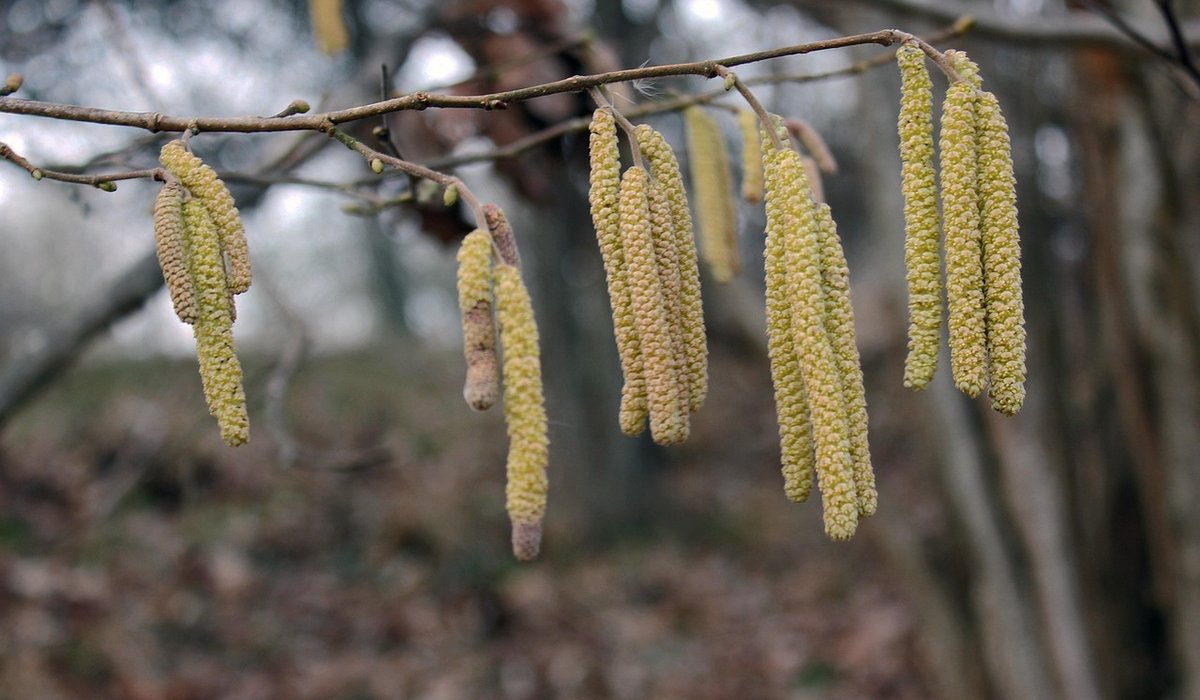
- Hazel (Corylus avellana) — catkins in late winter, nuts in autumn, and soft, pliable stems. It suckers, so it thickens a hedge quickly.
For extra interest, add a little field maple, dog rose, guelder rose or wild cherry. Aim for roughly 60 per cent hawthorn, 20 per cent blackthorn and 20 per cent hazel, then dot in two or three extras. That balance gives you a dense, bird-safe centre with flowering and fruiting edges.
Spacing, Planting and Bare Roots
The cheapest and most successful way to plant is with bare-root whips — young, single-stemmed plants — between November and March, whenever the ground isn't frozen or waterlogged. They cost a fraction of potted plants and establish faster.
For a garden hedge, plant in a double row about 30cm apart, with the rows 40cm apart, staggered so the plants form a zigzag. That gives you roughly five to six plants per metre. If you only want a single row, space the whips 30–45cm apart instead.
- Clear a strip at least 60cm wide of grass and weeds — competition is the main killer of new whips.
- Improve the soil with a little well-rotted compost, but don't add rich fertiliser; you want roots, not soft, sappy growth.
- Firm each whip in properly after planting. Air pockets around the roots are fatal.
- Water well in the first spring and summer if the weather turns dry.
If you're planting along a boundary, keep whips at least 45cm from a fence so you can cut both sides.
Looking After the Hedge Through the Year
In the first two years, resist the urge to let the hedge shoot up. Cut the whips back by about a third after planting, then again the following winter. This feels brutal but it forces side shoots low down and gives you a dense base rather than a leggy row of sticks.
From year three, cut once a year in late winter — before birds nest, so avoid March to August. Trim the sides so the hedge is slightly wider at the base than the top, an A-shape that lets light reach the bottom and keeps it thick all the way down.
Leave some sections to flower and fruit rather than clipping everything flat. A mix of trimmed and looser growth is what wildlife wants. If you have space, let a few stems of hazel grow taller and cut them on a three-year rotation for pea sticks and bean poles.
Wildlife You Can Expect to Attract
Within a season or two, a mixed native hedge becomes a small ecosystem.
- Nesting birds — dunnocks, robins, blackbirds and wrens nest deep in hawthorn and blackthorn thorns, where cats and magpies struggle to reach.
- Pollinators — blackthorn and hawthorn blossom are vital early nectar, and hazel catkins provide pollen when little else is open.
- Moths and butterflies — hawthorn supports dozens of moth species, and the nocturnal flowers attract moths that in turn feed bats.
- Small mammals — hedgehogs and wood mice use the dense base as a highway and shelter, especially if you leave leaf litter beneath.
Add a log pile at one end and leave the ground beneath the hedge undisturbed. That leaf litter is where many of these creatures overwinter.
Foraging From Your Own Hedge
A hedgerow is quietly productive, and foraging from your own garden means you know exactly what has been sprayed — nothing.
Pick sloes after the first frosts, when they soften and sweeten, for sloe gin or jelly. Gather haws in October for ketchup, fruit leather or a tart hedgerow jelly. Collect hazelnuts in September, though you'll be competing with squirrels — pick them just as the husks turn yellow and finish ripening them indoors.
Use the flowers too: elderflower and hawthorn blossom make lovely cordials and syrups in late spring. Always leave plenty for the birds, and never take more than a small share from any one bush.
Making It Work in a Small Space
You don't need a field. A hedge of six to eight metres along a boundary will do everything described here, and even a short three-metre run gives shelter and nesting cover. Keep it to about 1.2–1.5 metres tall so it doesn't shade the whole garden, and plant it where it will screen a shed, bin store or less lovely view.
Give it three years to settle, keep the base clear of grass, and you'll have a living boundary that flowers, feeds, shelters and quietly gets on with the business of being British countryside — right outside your back door.


Leave a reply