


Late summer and early autumn are the hedgerow’s generous months. Brambles hang heavy with fruit, hazel nuts are swelling in their green husks, and the whole lane hums with insects and birds. Foraging blackberries and hazelnuts on a British hedgerow walk is one of the simplest pleasures of the year — but it comes with responsibilities. Always identify plants with a reliable guide before you pick, avoid busy roads where spray and exhaust contaminate fruit, and leave plenty for the birds and small mammals that share the hedge.
Why British Hedgerows Are Worth a Slow Walk
A well-managed hedgerow is a wildlife corridor, a larder and a windbreak all in one. Native species such as hawthorn, blackthorn, hazel, field maple and dog rose provide food and shelter for dormice, bank voles, wood mice, blackbirds, song thrushes and countless invertebrates. When you walk a hedgerow in late August or September, you are stepping into a working ecosystem. Take your time. Look for gaps, listen for rustling, and note which sections are fruiting well. A slow walk yields more than a rushed one, and it gives wildlife time to move on.
Identifying Blackberries with Confidence
Blackberries (Rubus fruticosus aggregate) are one of the easiest wild fruits to identify, but you should still check a reliable field guide before your first pick. The plant is a scrambling shrub with arching, thorny stems — often called brambles — and leaves that are usually trifoliate or palmate with serrated edges. Ripe berries are deep black, slightly soft, and come away easily from the white central core when you pick them. Unripe fruit is red or green and tastes sour; leave it for another week.
Lookalikes are rare in Britain, but dewberries are similar and edible. The main risks are not confusion but contamination. Avoid hedgerows beside busy roads, lay-bys and industrial estates, where lead, exhaust particles and herbicide drift can settle on fruit. Pick above dog height, and wash everything at home before eating.
Hazelnuts and Cobnuts: Timing the Harvest
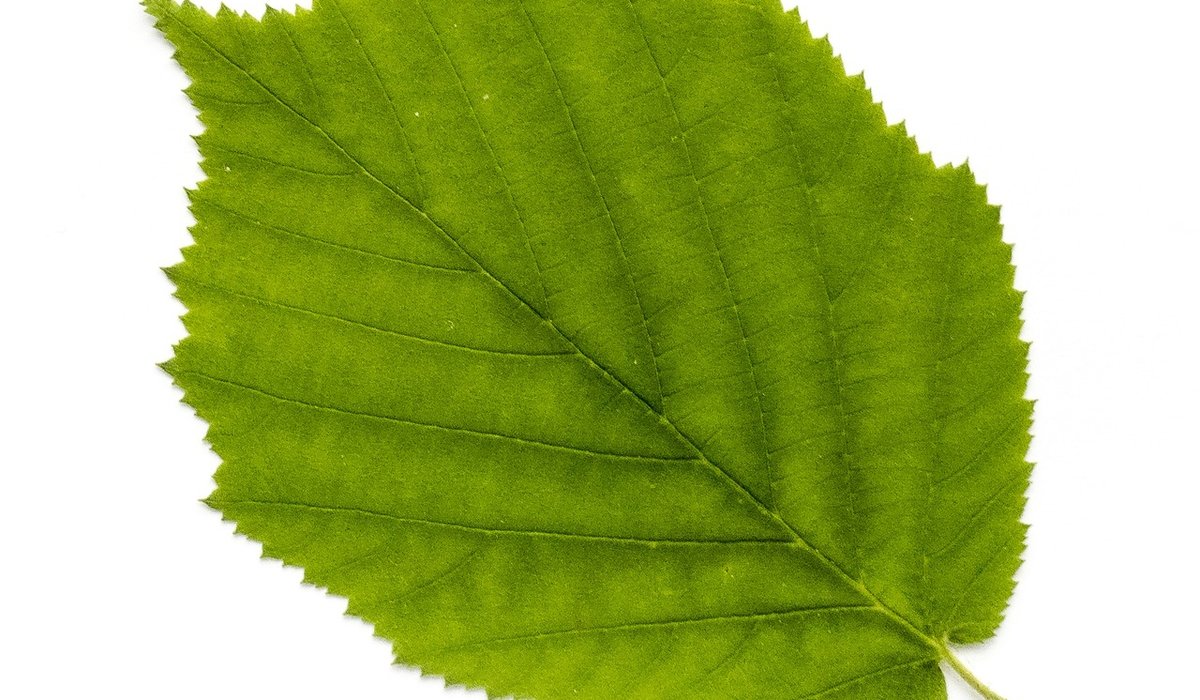
Hazel (Corylus avellana) is the shrub that gives us hazelnuts, often sold as cobnuts when cultivated. You will find it in ancient hedgerows, coppices and woodland edges. In spring, the long yellow catkins are a familiar sight. By late August, the nuts are forming inside green, leafy husks. They ripen from green to brown, and the husk begins to dry and split. Pick when the husk turns papery and the shell underneath is a warm brown. If the nut feels light or rattles, it is probably empty or too dry.
Squirrels, jays, dormice and wood mice are fierce competitors, so check trees early and often. Take only a handful from each bush, and leave the rest. A good tip is to gather nuts from the ground if they are fresh and undamaged, but be aware that fallen nuts may be older. Roast or dry them at home to improve flavour and keep them from going mouldy.
Foraging Without Harming the Hedgerow
Good foraging is about taking less than you find. Follow these simple rules:
- Leave at least two-thirds of the fruit on each bush for birds, small mammals and insects.
- Never strip a whole hedge or tree — move on after a modest harvest.
- Avoid damaging stems, and never pull up plants by the roots.
- Check local bylaws and always seek permission on private land or nature reserves.
- Remember that some hedgerows are protected for wildlife; if in doubt, leave it alone.
Blackberries and hazelnuts are important autumn food for resident and migrating birds. A hedgerow stripped bare in September is a hungry place in October. By leaving plenty, you help the whole ecosystem — and you will find more fruit on your next visit.
Staying Safe on Roadside and Country Walks
Safety starts before you leave the house. Tell someone where you are going and when you expect to be back. Wear long sleeves, trousers and sturdy boots; brambles are unforgiving, and ticks live in long grass. Take gloves, a walking stick for reaching high branches, and a basket or breathable bag rather than a plastic tub, which can make fruit sweat.
Stick to public footpaths and respect fences and livestock. Avoid picking beside fast roads — not only for contamination but for your own safety. If you must walk a road, face oncoming traffic and keep children and dogs close. Carry water, a charged phone and a basic first-aid kit. Wash your hands before eating, and wash all foraged food before cooking or freezing. If you are new to foraging, go with an experienced friend or join a local guided walk.
With a little care, a late-summer hedgerow walk can fill your basket and lift your spirits. Blackberries freeze beautifully, and hazelnuts store well in a cool, dry place. Best of all, you will have spent a few hours among the birds, the brambles and the hazel — and left the hedge ready for another year.


Leave a reply