


Start With the Sunny Side
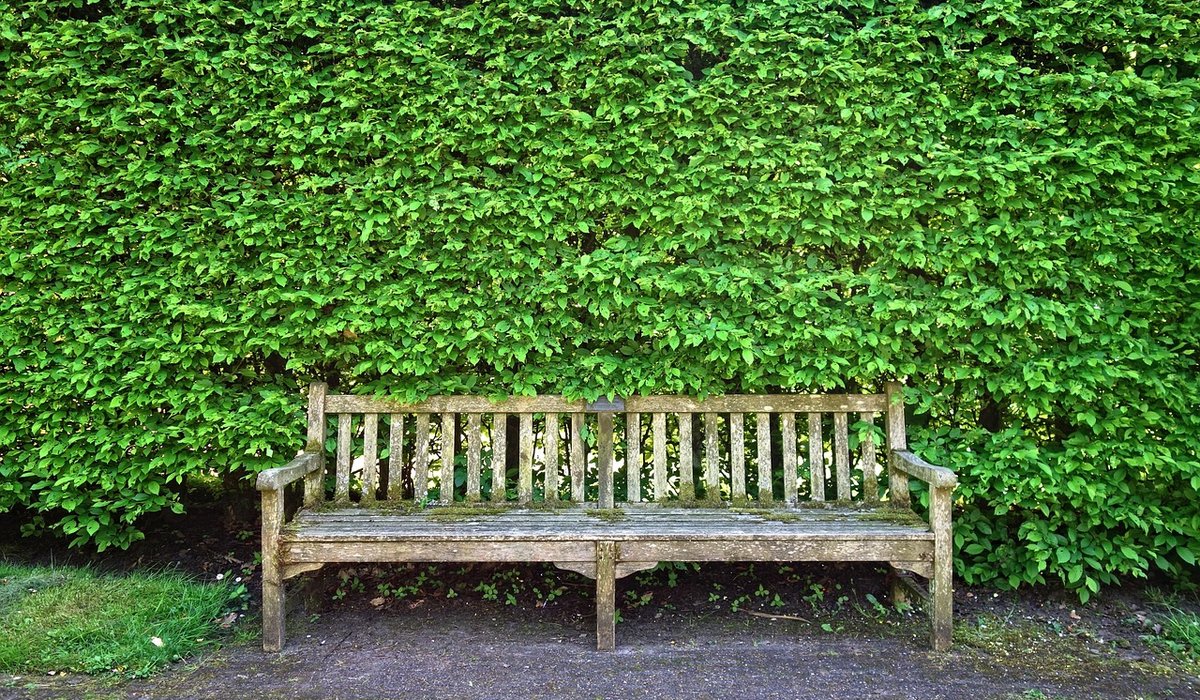
Butterflies are solar-powered, and so is the pleasure of watching them. On a still, bright day between late morning and mid-afternoon, when the temperature has crept above 15°C, a modest garden can suddenly look busy. Wind is the enemy: even a brisk breeze keeps most species low and hidden, so choose a sheltered border, a south-facing hedge or a sun-trap corner beside a wall.
Look first at flowers in full sun, then at bare ground. Butterflies bask on warm stone, gravel paths, fence posts and dry earth, wings spread flat or tilted to catch the light. If the sun goes behind a cloud, don't give up and go indoors — wait five minutes. Many species simply close up and drop into the vegetation, reappearing almost the moment the sun returns. Overcast days are for gardening; bright ones are for looking.
The Nettle Butterflies: Peacock, Red Admiral and Small Tortoiseshell
Three of our most familiar garden butterflies share a childhood on stinging nettles. Leave a patch of nettles in a sunny, slightly sheltered spot and you have done more for them than any amount of nectar planting.
The peacock is unmistakable at rest: deep red wings with four bold eyespots, each with a blue-black centre. From below it is almost black, which is how it overwinters in sheds, garages and hollow trees. It emerges early, sometimes on warm March days, and the new generation appears from July, often crowding buddleia in good years.
The red admiral is a migrant, arriving from the continent in spring and early summer, though increasing numbers now overwinter here. Look for blackish velvety wings crossed by red bands and tipped with white spots. It is a confident, territorial butterfly, fond of settling on warm paths and chasing off rivals, and it adores rotting fruit as much as flowers.
The small tortoiseshell is the one many of us remember from childhood gardens. It is a bright, busy orange butterfly with black and cream markings and a border of blue crescents. It hibernates as an adult, often indoors, and can be found fluttering at windows on mild winter days.
- Peacock: four vivid eyespots; dark underside; basks on paths and walls.
- Red Admiral: red bands on black; white wingtips; often on buddleia and fallen fruit.
- Small Tortoiseshell: orange with black spots and blue edge; restless, fast flight.
Meadow Brown and the Long Grass
Where the nettle butterflies need weedy corners, the meadow brown needs grass left alone. Its caterpillars feed on common grasses, and the adults spend their summer flopping low over rough meadow, verges and unmown lawn edges.
It is a soft, understated butterfly, brown with a haze of orange on the forewings and, usually, a single small eye-spot with a white centre. Its flight is loose and bobbing, never hurried. Peak numbers arrive in July and August, and a strip of long grass cut once in late summer, rather than weekly, will hold far more than a manicured lawn ever could.
In the same tall grass you may meet the ringlet, dark and velvety with rings of small eye-spots, and the gatekeeper, a warm orange-brown butterfly of bramble edges and rough hedgerow banks. All three reward patience: walk slowly, stop often, and let your eyes adjust to movement rather than colour.
Plants Worth Making Room For
Nectar is the easy part. A few well-chosen plants will pull butterflies in from a wide area, and most are cheap, hardy and generous.
- Buddleia: the classic, flowering from July. Deadhead spent spikes to keep it going, and plant it where you can see it from a window.
- Nettles: a square metre in sun, behind a shed or along a fence, is enough for a colony of caterpillars.
- Long grass: a rough strip at the garden's edge, uncut until late July, feeds meadow browns, ringlets and moths.
- Ivy: a late lifeline. Flowering ivy in autumn is one of the best nectar sources for red admirals before winter.
- Bramble, knapweed, marjoram and oregano: hedgerow and meadow stalwarts that suit both a wildlife garden and a herb bed.
A Late-Summer Walk Along the Hedge
Late summer is when the garden and the hedgerow overlap. While you are out gathering blackberries, elderberries or sloes, keep half an eye on the bramble flowers and the sunny side of the hedge. Red admirals and peacocks feed heavily on bramble blossom, and the first ripe fruit draws them down to the ground.
Hold back from stripping a hedge bare. Leave the outer, sunlit sprays for the birds and insects, take fruit from the middle of the bush, and avoid any branch thick with caterpillars. The hedgerow is a larder for a great many mouths, and a light harvest leaves it healthier.
Small Habits That Help
You do not need acres. The most useful changes are unglamorous ones: mow less, tolerate nettles, leave a patch of bare earth for basking, and resist the urge to tidy the garden in autumn. Seed heads, hollow stems and leaf litter are all winter shelter.
Cut nettle patches in sections rather than all at once, so there is always fresh growth for the next generation of caterpillars. Keep a note of what you see and when — a rough garden diary is enough. After a season or two you will know exactly which warm corner brings the first peacock, and which buddleia spike the red admirals cannot resist.


Leave a reply